✦ Launch week — 15% off sitewide with code LAUNCH15✦ Try our planner free — Download a sample →✦ Free bonus prompt pack with orders over $75✦ New drop: 2026 Daily Planner — Shop Now →✦ GoodNotes Compatible · Instant PDF Download · Lifetime Access✦ Instant PDF · No subscriptions · Yours forever✦ 30-day happiness guarantee on every order✦ Printable + GoodNotes, Notability & Noteshelf ready✦ Read the journal — slow notes on intentional living✦ Launch week — 15% off sitewide with code LAUNCH15✦ Try our planner free — Download a sample →✦ Free bonus prompt pack with orders over $75✦ New drop: 2026 Daily Planner — Shop Now →✦ GoodNotes Compatible · Instant PDF Download · Lifetime Access✦ Instant PDF · No subscriptions · Yours forever✦ 30-day happiness guarantee on every order✦ Printable + GoodNotes, Notability & Noteshelf ready✦ Read the journal — slow notes on intentional living✦ Launch week — 15% off sitewide with code LAUNCH15✦ Try our planner free — Download a sample →✦ Free bonus prompt pack with orders over $75✦ New drop: 2026 Daily Planner — Shop Now →✦ GoodNotes Compatible · Instant PDF Download · Lifetime Access✦ Instant PDF · No subscriptions · Yours forever✦ 30-day happiness guarantee on every order✦ Printable + GoodNotes, Notability & Noteshelf ready✦ Read the journal — slow notes on intentional living
← Back to journal

Mindset · 8 min read

Journaling for Anxiety: What the Research Actually Says

Journaling for anxiety isn't a wellness fad. It has a 40-year research base, starting with James Pennebaker's 1986 expressive writing studies at the University of Texas. Here's what the evidence actually supports.

Protocol 1 — Expressive writing. Pennebaker's original protocol: 15–20 minutes per session, four days in a row, writing continuously about an emotional event without worrying about grammar or spelling. Replicated in dozens of studies. Reduces anxiety, lowers stress hormones, and improves immune function in some samples.

Protocol 2 — Gratitude writing. Emmons and McCullough (2003) showed three gratitude entries, three times per week, produces measurable improvements in mood and reductions in low-grade anxiety. Daily gratitude shows diminishing returns due to habituation.

Protocol 3 — Cognitive reframing journals. Based on CBT, this involves writing the anxious thought, the cognitive distortion behind it, and a balanced alternative. Strong evidence base for generalized anxiety and social anxiety.

What doesn't have strong evidence: bullet journaling for anxiety, generic 'positive affirmations', or open-ended brain dumps without containment. These can help some people but lack the research base of the three above.

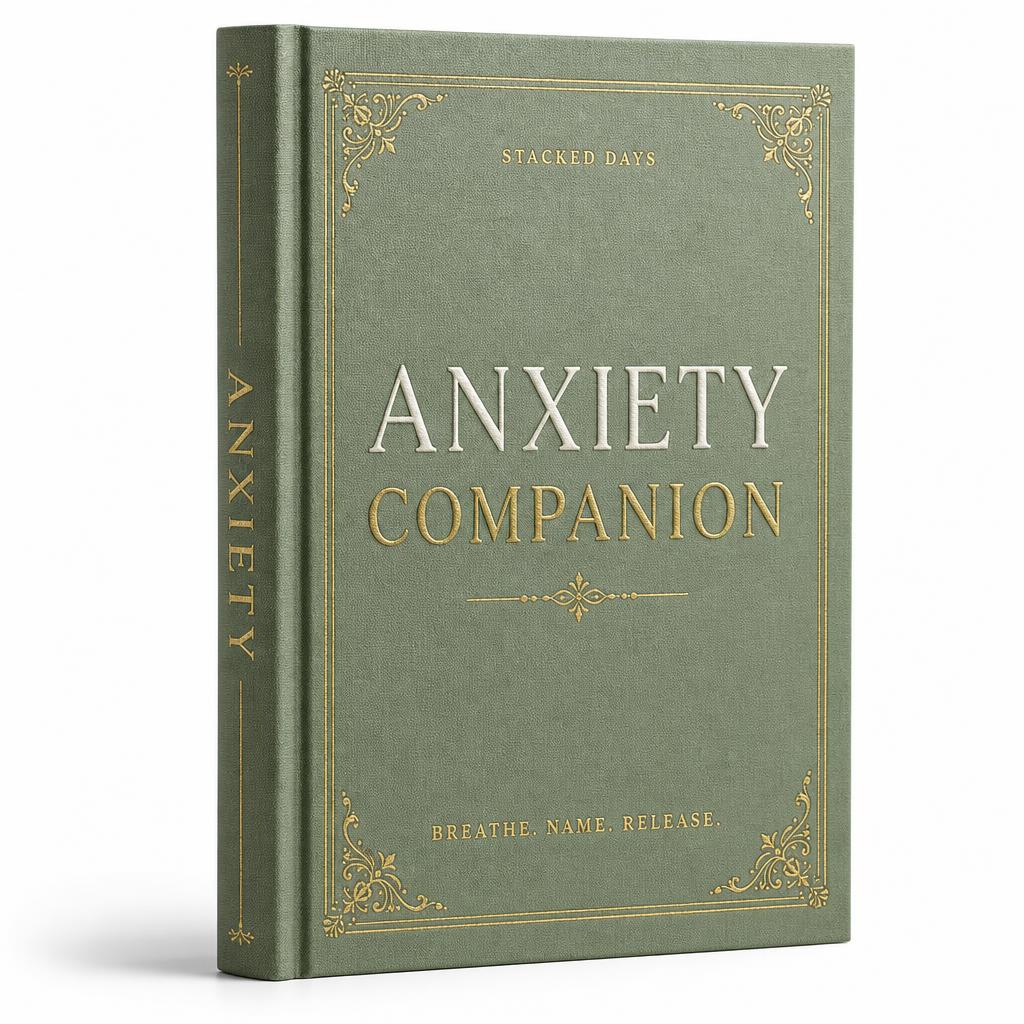
The Anxiety Companion Journal is built around all three protocols — expressive writing days, weekly gratitude prompts, and a cognitive reframing section — so you don't have to choose. But you can replicate any of the three with a blank notebook and a timer.

Frequently asked

Questions readers ask

How long until journaling reduces anxiety?
Most studies show measurable effects within 2–4 weeks of consistent practice (3–4 sessions per week, 15–20 minutes each).
Is journaling as effective as therapy for anxiety?
No. Journaling is a complementary tool, not a replacement for therapy or medication when those are needed. It works best alongside professional care for clinical anxiety.
Can journaling make anxiety worse?
Occasionally, especially if you only write about worries without containment or reframing. Use a structured prompt and a closing ritual to prevent spiraling.

Share this piece

Author

The Stacked Days Team

We make slow-made digital journals, planners, and trackers for anyone choosing to live a little more on purpose.
Ready to start your practice? →

Anxiety Companion JournalBESTSELLER
Journals

Anxiety Companion Journal

Gentle prompts for navigating anxious thoughts.

4.9 (318)
$26$16
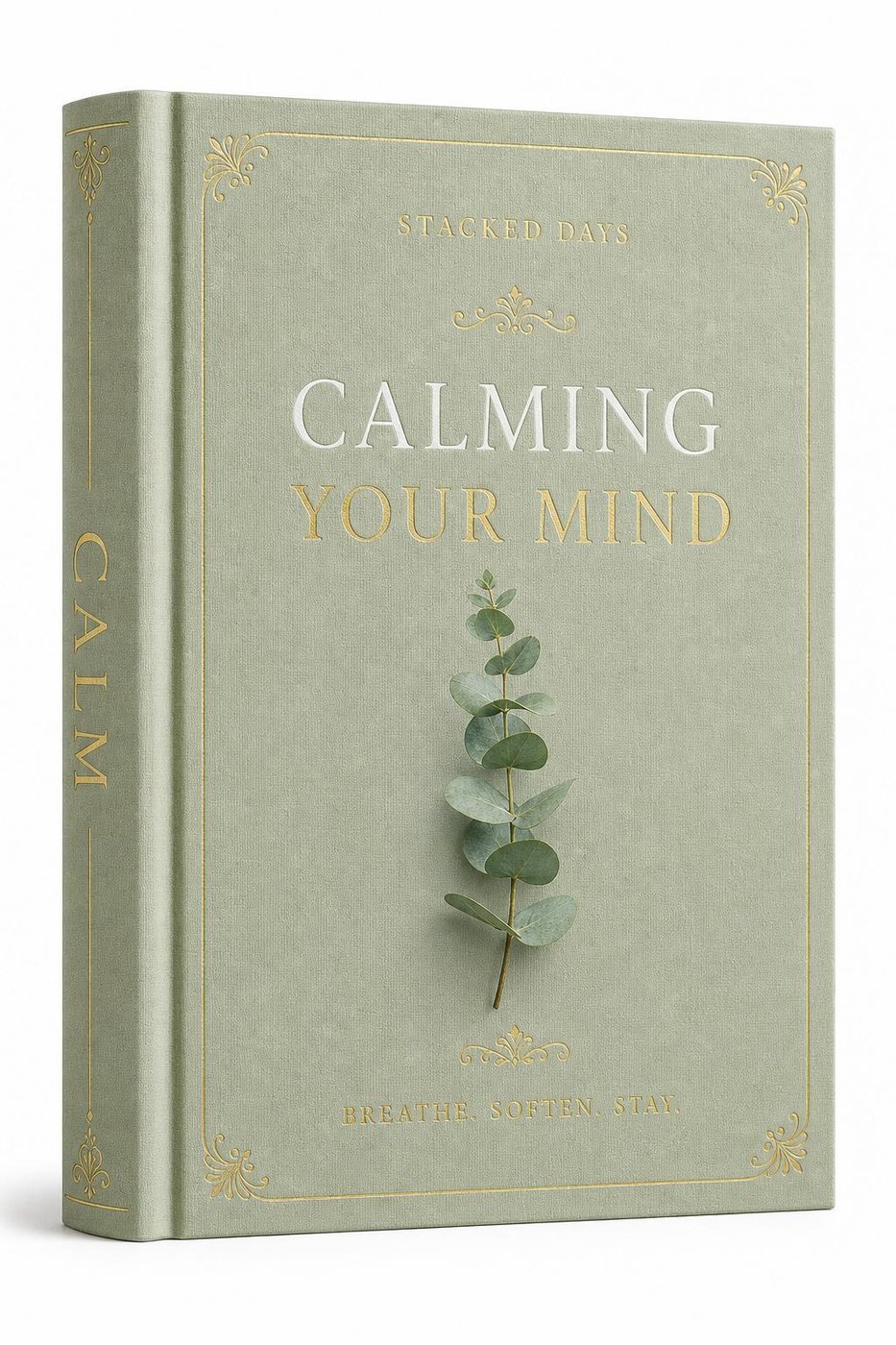
Calming Your Mind JournalSALE
Journals

Calming Your Mind Journal

Grounding exercises and breathwork prompts.

4.9 (211)
$24$15

Keep reading

Journaling · 5 min read

5 Journaling Prompts for Anxiety Relief That Actually Work

Read

Productivity · 7 min read

How to Start a Daily Journaling Practice (And Actually Keep It)

Read

Mindset · 6 min read

Why GoodNotes Is the Best App for Digital Journaling in 2026

Read

Productivity · 6 min read

Digital Planner vs Paper Planner: Which Actually Helps You Plan?

Read

Productivity · 5 min read

How to Print a Digital Planner at Home (Without Wasting Ink)

Read

Productivity · 8 min read

The Best Digital Planner for iPad in 2026 (Honest Comparison)

Read

Productivity · 4 min read

How to Import a PDF Planner Into GoodNotes (Step-by-Step)

Read

Journaling · 8 min read

30 Journaling Prompts for Self-Discovery (That Aren't Cliché)

Read

Productivity · 6 min read

How to Build a Habit Tracker That Actually Works

Read

Journaling · 7 min read

Shadow Work Journal Prompts for Beginners (Gentle Start)

Read

Productivity · 5 min read

Weekly vs Daily Planner: Which Should You Actually Use?

Read

Journaling · 6 min read

How to Stop Overthinking with Journaling (4 Techniques That Work)

Read

Journaling · 5 min read

Gratitude Journal Prompts for Hard Days (When 'Be Grateful' Feels Hollow)

Read

Productivity · 7 min read

How to Plan Your Week on Sunday Night (45-Minute Method)

Read

Productivity · 6 min read

Notability vs GoodNotes for Digital Planning (2026 Comparison)

Read

Journaling · 7 min read

Manifestation Journal Prompts That Actually Work (No Magical Thinking)

Read

Productivity · 5 min read

How to Use a Digital Planner on Android (Best Apps in 2026)

Read

Productivity · 9 min read

How to Organize Your Life with a Digital Planner (Full System)

Read

Productivity · 5 min read

Printable vs Digital Planner: Which Actually Saves More Time?

Read

Mindset · 6 min read

Evening Journaling Routine for Better Sleep (15-Minute Wind-Down)

Read

Journaling · 6 min read

Guided Journaling for Beginners: From Blank-Page Anxiety to Daily Practice

Read