Productivity · 5 min read
Weekly vs Daily Planner: Which Should You Actually Use?
By The Stacked Days Team · January 30, 2026

The honest test isn't 'which is better?' It's 'which one will you still be using in six weeks?'
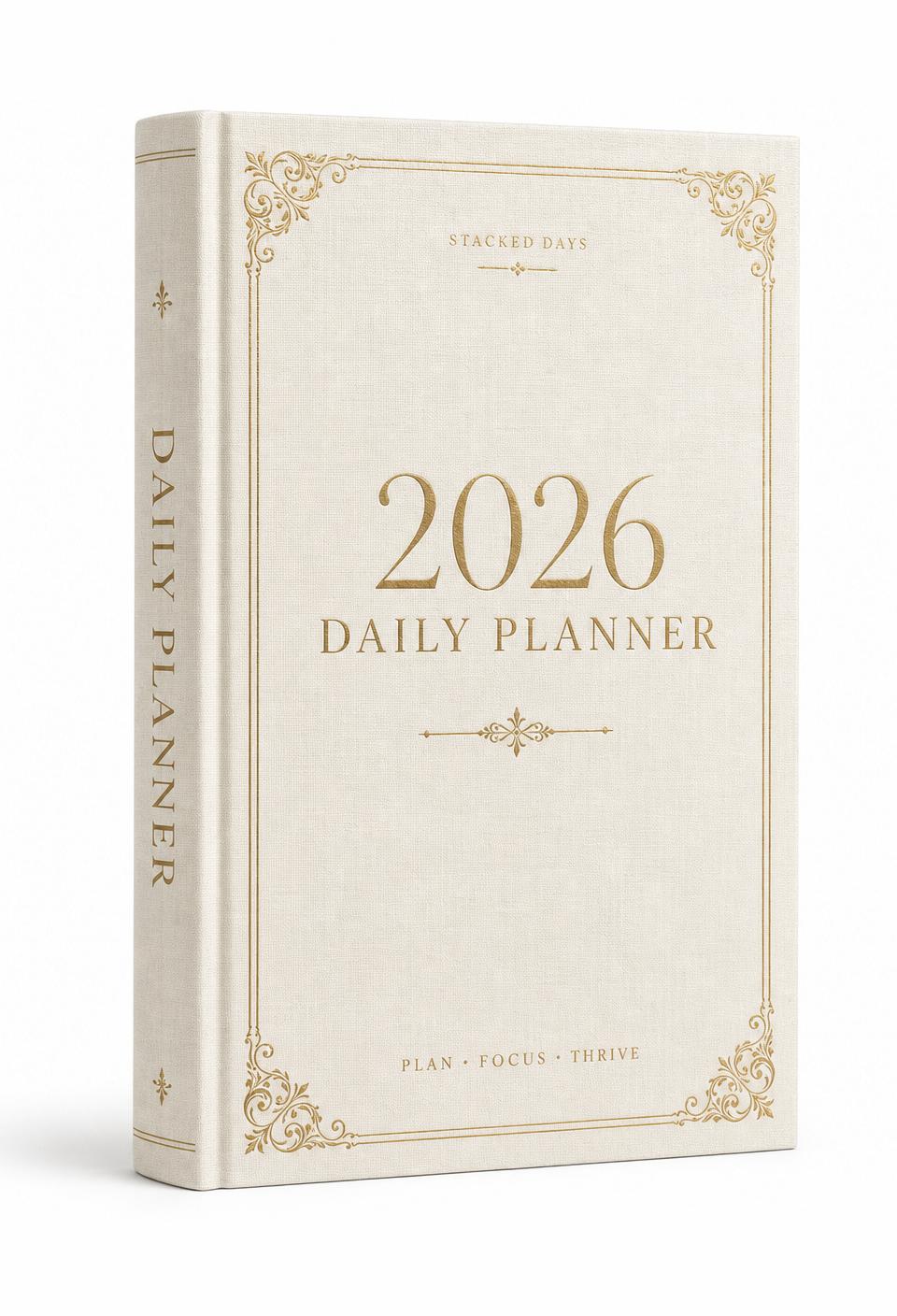
Daily planners are excellent if you have a structured, scheduled life. Knowledge workers in deep focus, doctors with hour-by-hour patient blocks, parents with school runs that change daily — daily planning rewards them. The friction is worth the precision.
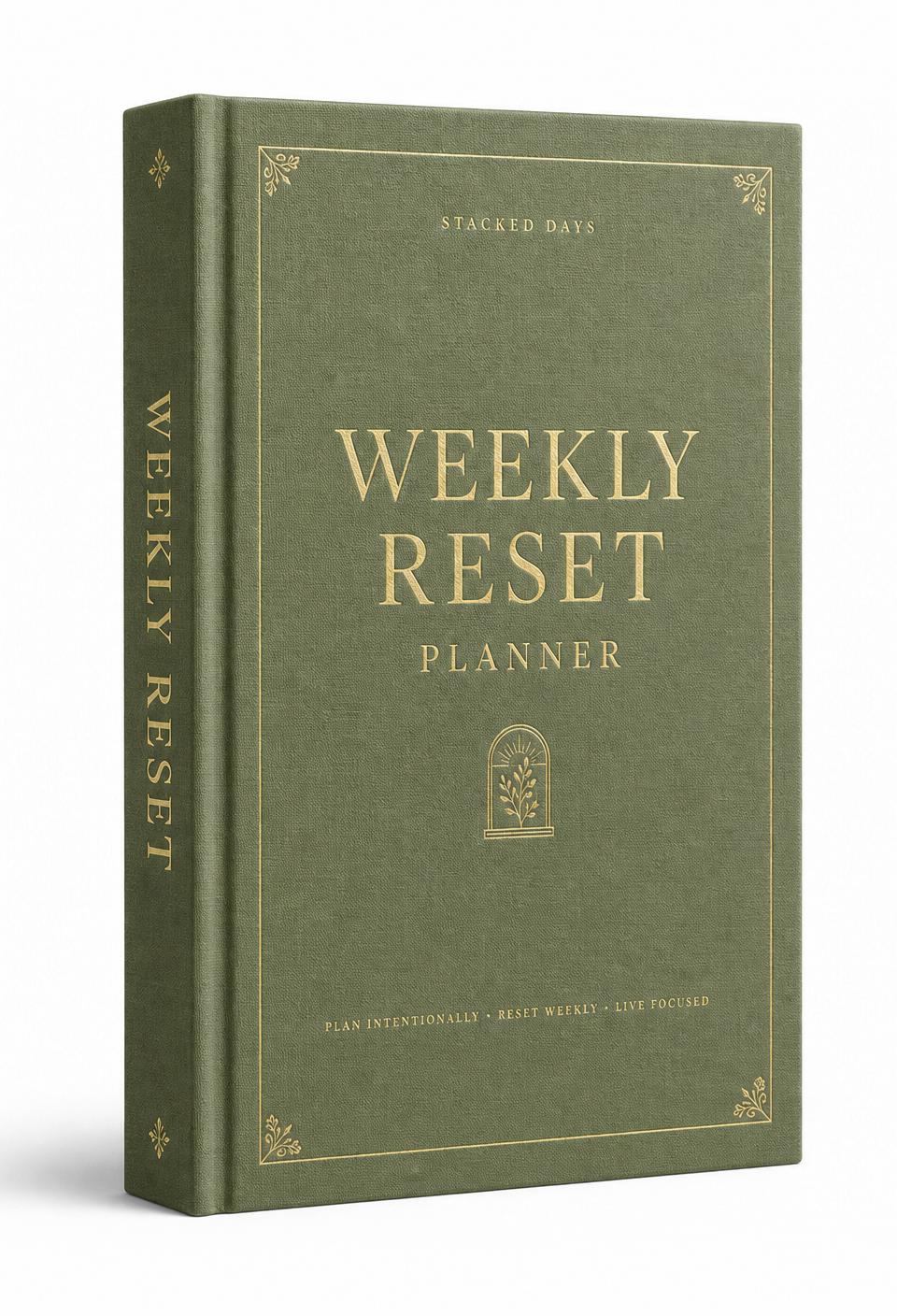
Weekly planners are excellent if your work is project-based, your days vary, or you've tried daily planning and abandoned it. The weekly view forces you to think in priorities and themes instead of micro-tasks, which is closer to how most modern work actually unfolds.
The hybrid that works for most customers: weekly planner on Sunday for the frame, daily planner only on heavy or fragmented days. The Stacked Days Daily and Weekly Planners are designed to be used together exactly this way — same visual system, same page sizing, hyperlinked between formats.
If you're starting fresh and unsure, start weekly. It's harder to outgrow a weekly planner than a daily one.
Frequently asked
Questions readers ask
- Can I use both a weekly and daily planner together?
- Yes — many of our customers use the Weekly Planner for high-level planning on Sunday and the Daily Planner only on heavy-meeting days. The two are designed to work together.
- Is a weekly planner enough for a busy schedule?
- Often, yes. If your meetings live in a digital calendar, the weekly planner handles intention and priorities while the calendar handles logistics.
- Why do daily planners often get abandoned?
- Because writing the same low-priority items every day for a week makes the practice feel pointless. Weekly planners avoid this by elevating the frame from 'today' to 'this week'.
Author
The Stacked Days Team
We make slow-made digital journals, planners, and trackers for anyone choosing to live a little more on purpose.